These include expired medications, partially used vials, and items that cannot be returned to the manufacturer. Steritrans also offers staff training and waste audits to help healthcare facilities improve internal procedures and reduce compliance risk. By offering complete support for various waste disposal needs, the company ensures that medical waste is managed responsibly from generation to final disposal. Pharmaceutical Waste Disposal covers both hazardous and non-hazardous pharmaceutical products.
By offering complete support for Sharps Disposal, Pharmaceutical Waste Disposal, Chemotherapy Waste Disposal, and more, the company ensures healthcare waste is handled responsibly from point of generation to final destruction. Regulated Medical Waste Disposal covers all infectious waste materials that must be treated differently from standard trash. In addition to recurring services, Steritrans supports one-time pickups for expired pharmaceuticals, dental office renovations, or bulk cleanouts.
The company works quickly to adapt service schedules or deliver additional containers when needed. All materials are provided as part of the regular service and are restocked as needed.
Steritrans stands apart in the Houston medical waste disposal industry by emphasizing clear communication, predictable pricing, and professional customer support. In Houston, Sharps Disposal services from Steritrans ensure that clinics, pharmacies, and other medical facilities maintain clean and secure working environments while adhering to disposal standards. Houston medical waste disposal must meet specific standards as defined in local, state, and federal guidelines. Red Bag Waste Disposal refers to the collection of non-sharp medical items contaminated by blood or other potentially infectious materials. These items are collected in puncture-resistant containers provided by Steritrans, clearly labeled and securely transported to approved processing facilities.
By combining regulatory knowledge with dependable logistics, Steritrans provides Houston medical waste disposal that safeguards healthcare staff, patients, and the environment. Every waste stream is documented for transparency, with reports available to support internal audits or external inspections. Controlled Substance Waste Disposal is performed under the strict guidelines established by the DEA. Red Bag Waste Disposal is another essential component of Steritrans' services.
Houston medical waste disposal services offered by Steritrans are designed for flexibility. The company focuses on structured service delivery, adherence to legal requirements, and responsive support to meet the needs of hospitals, outpatient facilities, surgical centers, dental practices, and laboratories across the Houston area. Non-hazardous items are collected using pre-approved packaging and processed using environmentally responsible methods. This service supports operating rooms, surgical centers, and pathology labs throughout Houston.

Whether a small dental office or a multi-site hospital network, Steritrans provides tailored services that protect staff, patients, and the environment. Dental clinics and facilities producing dental-specific waste are also supported. Regulated Medical Waste Disposal remains a core part of Steritrans' offering. Steritrans provides medical waste containers that meet all Houston regulations, including sharps containers, red bags, pharmaceutical bins, amalgam storage units, and more. Steritrans provides comprehensive and professional services for Houston medical waste disposal, supporting healthcare providers throughout the region with safe, compliant, and cost-efficient waste management.
The company's vehicles are equipped to transport waste securely and documentation is provided for every step of the process. Red Bag Waste Disposal involves the collection of soft materials like gloves, bandages, and tubing contaminated with blood or other potentially infectious materials. Its experience with Sharps Disposal, Pharmaceutical Waste Disposal, Pathological Waste Disposal, and other essential services makes Steritrans a reliable partner for the responsible management of healthcare waste. Steritrans coordinates the respectful and lawful removal and destruction of these materials under standards set by healthcare regulators.
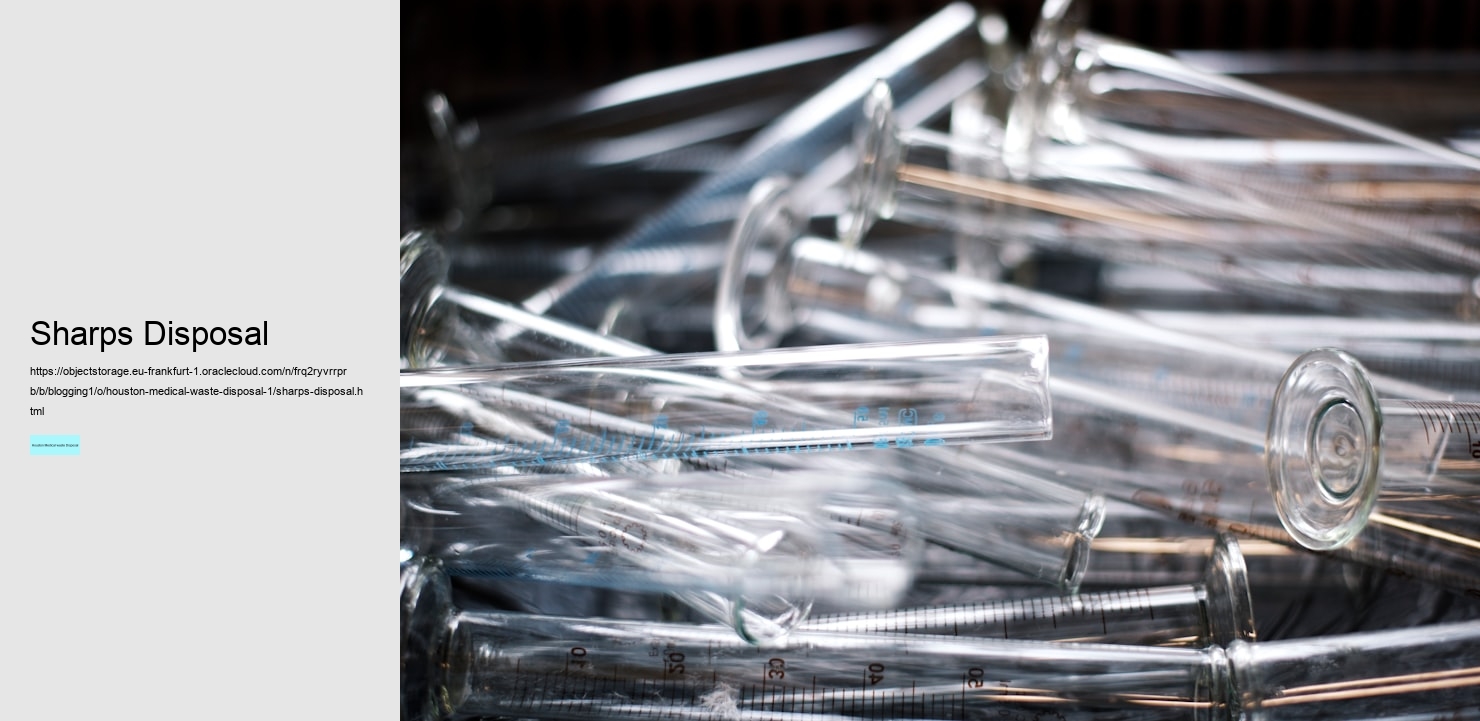
Through its comprehensive services, Steritrans supports healthcare providers in maintaining clean operations, meeting legal responsibilities, and promoting public health. Sharps Disposal includes the safe collection and handling of needles, scalpels, and other items that can puncture or cut. Steritrans provides collection containers and ensures environmentally responsible processing for amalgam and related waste products. Steritrans also ensures full transparency in service pricing and scope.
Dental clients can access Amalgam Waste Disposal services through Steritrans. Steritrans provides labeled containers and organizes secure removal of these materials for compliant treatment at authorized facilities. These documents are important during audits and inspections.
Its team of trained professionals ensures that waste is handled, transported, and disposed of in accordance with local, state, and federal regulations, protecting both public health and the environment. Each service type follows clearly defined procedures, with proper documentation and staff training to ensure consistency and accountability.

Pickup frequency, container types, and reporting formats are all customizable. Chemotherapy Waste Disposal addresses the specific needs of oncology practices and cancer treatment centers. These substances require documentation at every stage to prevent diversion or misuse. Steritrans assists clients in establishing workflows that track and destroy controlled substances through approved waste handling procedures. Steritrans offers reliable and compliant Houston medical waste disposal services tailored to the needs of healthcare providers of all sizes.
Houston medical waste disposal practices focus on safe segregation, labeling, storage, transportation, and final treatment or destruction. Steritrans ensures respectful and regulation-aligned management of body parts, organs, and fluids, using sealed containers and secure transport. Steritrans supplies red bags that meet Houston's specifications and coordinates collection schedules based on the facility's volume of waste. The company supplies approved amalgam separators and collection containers, and ensures that amalgam and related waste are sent to specialized recycling or disposal facilities.
Steritrans maintains strict chain-of-custody procedures and trains its staff in proper documentation methods. Through a complete suite of services and a commitment to precision, Steritrans supports the day-to-day operations of hospitals, clinics, laboratories, and dental offices across the Houston area. Steritrans ensures that dental practices avoid improper discharge into public wastewater systems and supports proper disposal through approved recovery channels.
Each pickup is tracked, and the company provides waste manifests and certificates of disposal, allowing clients to maintain complete records for internal compliance and inspections. Red Bag Waste Disposal addresses non-sharp medical items contaminated by blood or other potentially infectious materials, with Steritrans supplying approved red bags and labeled containers for proper storage and pickup.

Biomedical waste or healthcare facility waste is any sort of waste containing infectious (or possibly transmittable) materials produced throughout the treatment of people or animals as well as during research including biologics. It may additionally include waste connected with the generation of biomedical waste that visually appears to be of clinical or laboratory origin (e. g. packaging, extra bandages, infusion packages etc ), as well research laboratory waste consisting of biomolecules or organisms that are mostly restricted from environmental launch. As outlined below, discarded sharps are considered biomedical waste whether they are infected or not, due to the opportunity of being contaminated with blood and their propensity to create injury when not properly included and disposed. Biomedical waste is a kind of biowaste. Biomedical waste might be solid or liquid. Instances of contagious waste consist of disposed of blood, sharps, unwanted microbiological cultures and supplies, identifiable body components (including those as a result of amputation), other human or animal cells, utilized plasters and dressings, thrown out gloves, other clinical materials that might have been in contact with blood and body fluids, and laboratory waste that displays the characteristics defined over. Waste sharps include potentially infected made use of (and extra thrown out) needles, scalpels, lancets and other tools with the ability of penetrating skin. Biomedical waste is produced from organic and clinical sources and tasks, such as the medical diagnosis, prevention, or therapy of illness. Common generators (or manufacturers) of biomedical waste include healthcare facilities, wellness centers, nursing homes, emergency situation clinical services, clinical research laboratories, offices of doctors, dentists, vets, home health care and morgues or funeral homes. In healthcare facilities (i. e. hospitals, centers, physician's workplaces, veterinary healthcare facilities and medical research laboratories), waste with these features may additionally be called clinical or professional waste. Biomedical waste is distinct from normal trash or general waste, and varies from other kinds of hazardous waste, such as chemical, radioactive, universal or hazardous waste. Clinical facilities produce waste dangerous chemicals and contaminated materials. While such wastes are generally not transmittable, they call for proper disposal. Some wastes are considered multihazardous, such as tissue examples preserved in formalin.
.